


Menu

Menu

Close

Close

Case Study

Dentistry Happens Chairside, Not at a Desk: How a Riyadh Dental Clinic Reduced Aftercare Calls With Plato MedScribe

Plato Team
September 5, 2025
6 min read
Dentistry Happens Chairside, Not at a Desk: How a Riyadh Dental Clinic Reduced Aftercare Calls With Plato MedScribe

Dental care doesn’t happen across a desk. It happens chairside, mid-procedure, while the dentist is moving, the assistant is preparing instruments, and the patient is trying to remember five instructions at once. That’s exactly why dental documentation is so easy to get wrong, even in great clinics.

This case study is written in an anonymized format. The clinic name is changed, while the workflow and outcomes reflect a real chairside documentation rollout.

At a glance

Al Rimal Smile Dental Centre, a multi-chair dental clinic in Riyadh, introduced Plato MedScribe with Plato Echo audio capture to reduce after-hours charting and improve documentation completeness, without forcing dentists to stand next to a computer during chairside care.

  • Note completeness: 78 percent to 92 percent
  • After-hours documentation: 90 minutes to 40 minutes
  • Aftercare clarification calls: 20 calls per week to 11 calls per week
  • Same-day note completion: 65 percent to 90 percent

The reality of a busy dental day

In Riyadh, many clinics run at full pace from morning to evening. When the schedule is packed, documentation becomes a trade-off: either you slow down the day to type, or you catch up later from memory.

Most teams choose “later.” And later is when the small details disappear: which tooth was most sensitive, the exact aftercare sequence, the product name, the rinse timing, the follow-up plan.

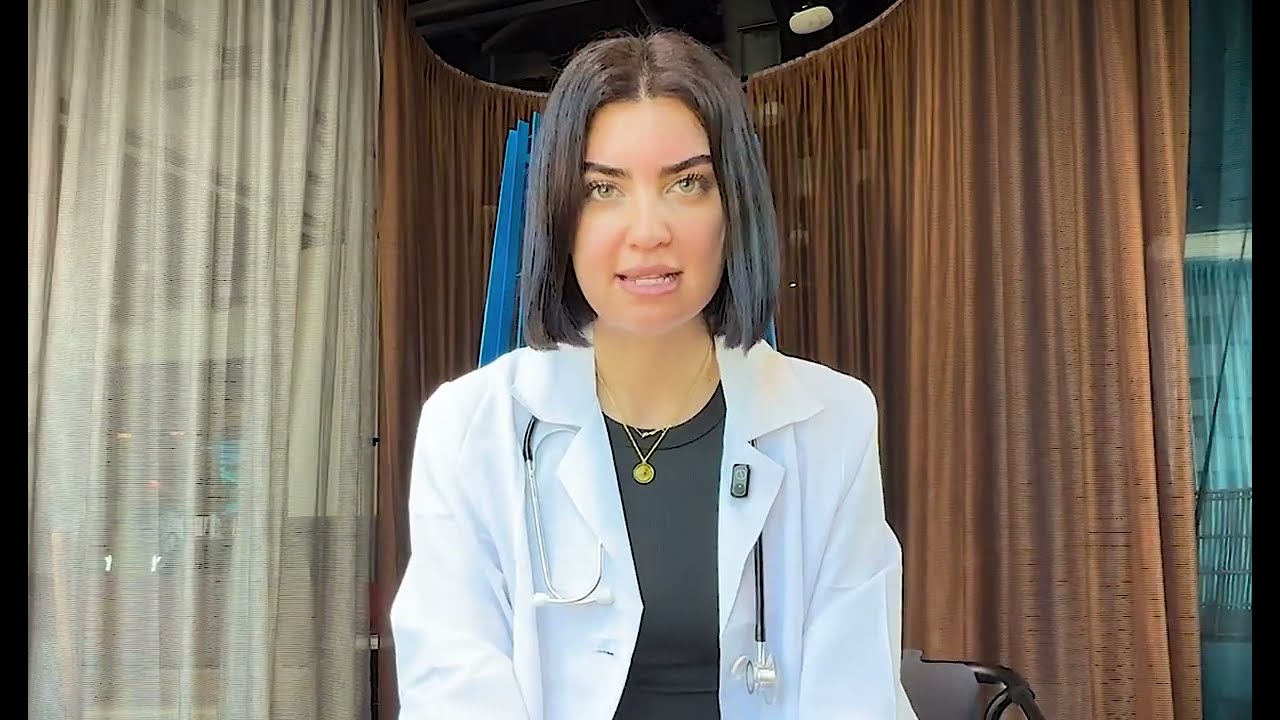
The first person to flag the problem: Dr Laila Al Harbi

Dr Laila Al Harbi, the clinical lead at Al Rimal Smile, wasn’t worried about writing notes. She was worried about what happens when notes are incomplete.

In dental care, missing one line can mean an extra call, an unnecessary revisit, or a patient who does the wrong thing at home. Not because they don’t care, but because they forgot.

Why other solutions struggled in dental settings

The clinic had tried voice tools and documentation helpers before, but they ran into the same chairside problem: the dentist is not sitting next to the workstation.

Conversations happen while the dentist is masked, moving, speaking softly, stepping away to retrieve instruments, or explaining instructions while the patient’s mouth is open. When capture is inconsistent, the output becomes messy. And messy notes create more work than they remove.

What changed with Plato Echo

The turning point was simple: capture the room reliably.

Plato Echo was positioned to pick up chairside conversation in a real dental operatory. For high-movement workflows, the team used a wearable mic option to keep capture consistent even when the dentist moved away from the desk.

Once audio capture stabilized, the notes stabilized too. Dentists could review a structured draft immediately after the visit and finalize it while the encounter was still fresh.

What the clinic tracked in the first six weeks

Cleaner notes, fewer gaps

The team used a simple completeness checklist for common visit types like extractions, whitening, sensitivity management, aligners, and gum care. Note completeness improved from 78 percent to 92 percent.

Less documentation after closing

On busy days, dentists were spending about 90 minutes after hours finishing notes. By week six, that dropped to about 40 minutes. The goal wasn’t to remove review. It was to remove reconstruction.

Same-day completion became normal

The team also tracked how often notes were completed the same day. That number moved from 65 percent to 90 percent once the workflow settled.

Busy dental clinic in Riyadh

The patient win: fewer aftercare calls

The biggest relief came from aftercare.

The clinic started sharing a patient-friendly summary after instruction-heavy visits. Patients left with clear steps in plain language: what to do today, what to avoid, what to apply, and when to return.

The reception team tracked aftercare clarification calls. The number dropped from about 20 calls per week to about 11 calls per week. That’s not just fewer interruptions. It’s a calmer clinic day for everyone.

How this fit into existing systems

The clinic did not want a software replacement project. Plato MedScribe was used alongside the clinic’s existing dental record and practice management workflow. Clinicians reviewed the draft and placed the finalized note into the patient record with minimal steps.

Security and privacy, handled like healthcare

Dental clinics carry the same responsibility for patient trust as hospitals. Plato MedScribe is designed with healthcare-grade security practices such as encryption and role-based access controls, and deployments can be configured to align with local requirements based on clinic policy and governance.

Clinicians remain in control: notes are reviewed before finalization, and the workflow is designed to minimize unnecessary retention of sensitive audio.

What it meant for the team

The clinic didn’t try to “do more” by pushing staff harder. It removed a friction point that was quietly draining time: writing notes after the fact.

Chairside dentistry stayed chairside. Documentation became lighter. And patients left with clearer instructions.

A final word from Dr Laila Al Harbi

“We didn’t want a tool that made dentistry feel like typing. Plato fit our chairside reality. Notes became cleaner, and our aftercare calls dropped because patients finally left with clear instructions.”
Background

Ready to Reclaim
Your Time?

Join 1,000+ clinicians who've eliminated documentation stress with Plato MedScribe. Start your free trial today.