





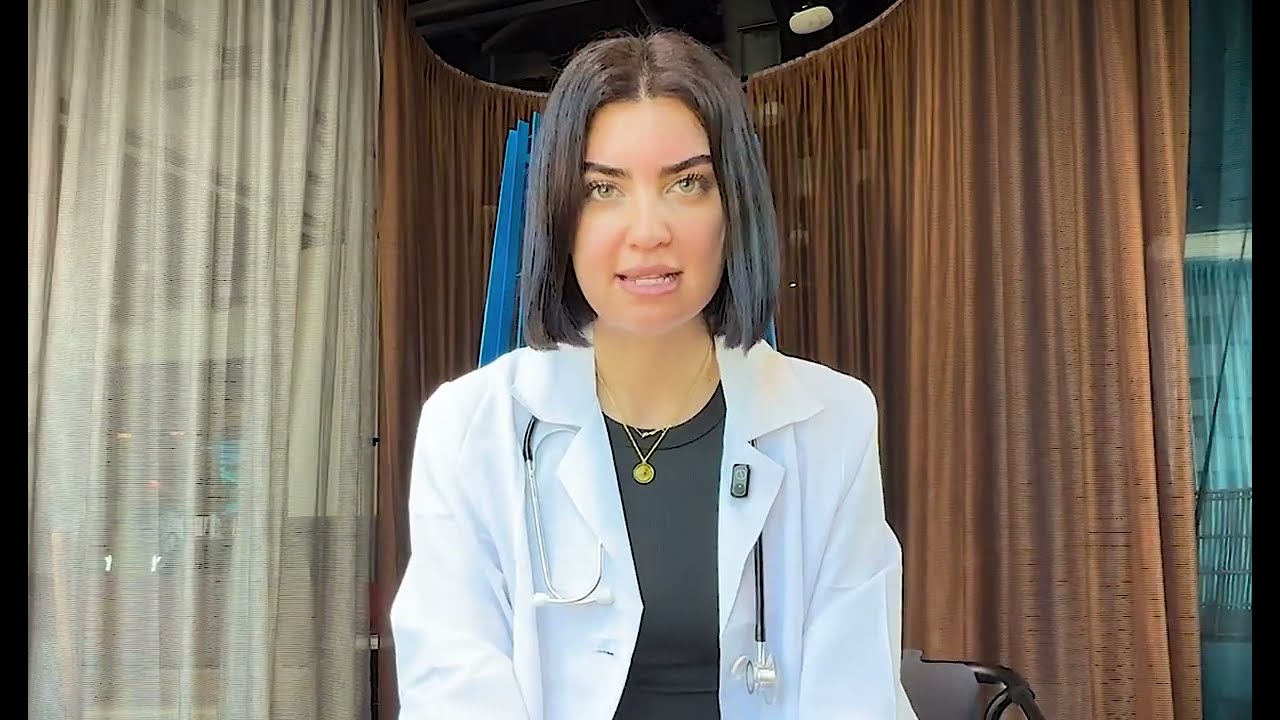
In a solo practice, there’s no “someone else” to catch the overflow. When the day gets busy, the doctor becomes the clinic, the admin team, and the documentation department at the same time. This is a composite case study based on common rollout patterns and the KPIs solo practices typically track. Names have been changed for privacy.
Quick takeaways
In early 2025, a solo family physician in Doha introduced Plato MedScribe to reduce documentation pressure without hiring extra staff or redesigning the workflow. Within six weeks, the practice saw a cleaner end-of-day finish, fewer unfinished notes, and more consistent patient conversations.
- After-hours documentation: 2 hours to 30 minutes
- Time spent finishing notes per visit: 9 minutes to 3 minutes
- Unfinished notes at closing: 8 to 2
- Daily capacity: 3 more appointments per day without extending hours
Where the day really went
Patients would leave. Messages would keep coming. Labs would arrive. Insurance queries would pile up. And then there was the part no one sees: the notes that still needed to be written.
The practice tracked a normal week and the numbers were blunt:
- 30 patient visits per day on average
- 2 hours spent on documentation after clinic hours
- 8 notes still unfinished at closing time
This wasn’t a motivation problem. It was a workload design problem. When documentation expands with every patient, a solo practice eventually hits a ceiling.
The weight landed on one person: Dr Omar Al Sulaiti
Dr Omar is the kind of physician patients recommend because he listens. The problem is, listening becomes harder when your brain is holding a second to-do list at the same time.
He described it simply: the day felt like it never fully ended. Even on “good” days, he carried the mental load of notes still waiting.
The temporary fix that exposed a bigger risk
Like many solo doctors, he tried delegating parts of documentation to a part-time assistant. It helped, until it didn’t.
The moment that changed his mind wasn’t dramatic. It was ordinary. The assistant was absent, the schedule stayed full, and the notes stacked up faster than they could be cleared.
That’s when he realized: relying on one person for documentation in a solo practice creates a fragile system. He needed something consistent.
What changed when notes became automatic
Plato MedScribe fit the one requirement solo doctors care about: it should not add steps. The visit stays the same. The doctor speaks normally. The tool runs in the background.
The workflow was simple: start the consult, stop at the end, review the structured draft, and place it into the patient record with minimal friction. No long onboarding. No "project plan." Just a tool that shows up every day.
Six weeks later: the metrics that mattered
After-hours documentation dropped sharply
The biggest change was time. After-hours documentation fell from 2 hours to 30 minutes because the doctor stopped reconstructing visits from memory. Most notes were reviewed and finalized while the details were still fresh.
Note completion stopped spilling into the next day
Before Plato, the practice commonly closed with 8 unfinished notes. By week six, that dropped to 2. That difference is what makes the next morning feel manageable.
More appointments without stretching the schedule
When documentation no longer consumed the gaps between visits, the day flowed better. The practice added 3 appointment slots per day without extending clinic hours.
Patients felt the difference in the room
The clinic tracked a simple internal signal: how often patients requested repeat explanations at checkout. As the doctor stayed more present during visits, those moments reduced. The win wasn't only efficiency. It was clarity.
How it fits into existing systems
Solo practices in the GCC typically rely on lightweight EHR or clinic management systems. The goal is not replacement. The goal is faster, cleaner documentation inside the current workflow.
Plato MedScribe is designed to run alongside existing systems through web or API workflows, so notes can be reviewed and placed into the record with minimal steps.
Security and privacy, handled like healthcare
In any GCC market, patient trust is non-negotiable. Plato MedScribe is built with healthcare-grade security practices such as encryption and role-based access controls, and deployments can be configured to align with clinic governance, HIPAA and GDPR expectations, and local data requirements.
Clinicians remain in control: notes are reviewed before finalization, and the workflow is designed to minimize unnecessary retention of sensitive audio.
A final word from Dr Omar
“What I noticed first wasn’t the software. It was the silence after closing. The day ended, and I wasn’t carrying a second shift home with me.”